
How to Choose Truly Eco Friendly Products: Certifications, Materials and Avoiding Greenwashing
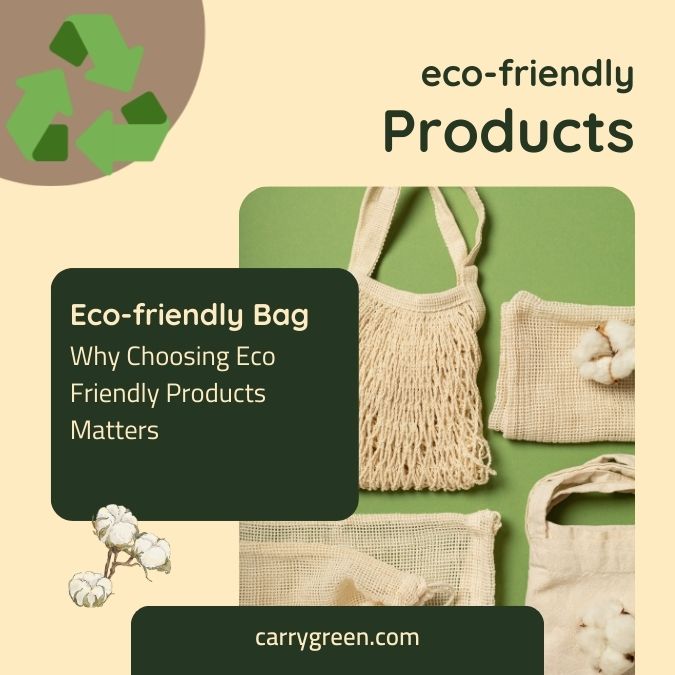
How to Choose Truly Eco Friendly Products: Certifications, Materials and Avoiding Greenwashing
Sustainability has become a priority for many people, but choosing products that are genuinely good for the planet can still feel confusing. With so many items labeled as green, natural, or eco friendly, it is not always clear which ones are truly sustainable and which ones are simply using clever marketing.
This guide will help you understand what to look for so you can make confident, responsible choices. You will learn which certifications matter, how materials like cotton, jute, and non woven polypropylene compare, and how to avoid falling for greenwashing.
Why Choosing Eco Friendly Products Matters
Every product you buy has an environmental impact. This includes the resources used to make it, the energy required to transport it, and what happens to it once you are done using it. When you choose sustainable products, you help reduce waste, lower carbon emissions, and support companies that value ethical and responsible production.
Whether you are shopping for reusable bags, clothing, or everyday household items, understanding how to evaluate eco friendly claims is one of the most effective ways to live a low waste lifestyle.
Look for Trusted Eco Friendly Certifications
Not every green label means something. Some are meaningful and backed by strict standards, while others are simply marketing terms. Choosing products with reliable third party certifications is one of the best ways to ensure you are buying something truly sustainable.
Certifications You Can Trust
| Certification | What It Means |
|---|---|
| Global Organic Textile Standard | Ensures textiles are organic and produced responsibly |
| Fair Trade Certified | Supports fair wages and ethical labor practices |
| Cradle to Cradle | Evaluates material health, recyclability, and renewable energy use |
| Forest Stewardship Council | Confirms responsible forest management for wood and paper |
| OEKO TEX Standard 100 | Tests textiles for harmful substances |
These certifications help you avoid vague claims like green or natural that are not backed by real standards.
Compare Materials: Cotton, Jute, and Non Woven Polypropylene
A product is only as sustainable as the material it is made from. Here is how three common materials compare.
Cotton
Cotton is natural and biodegradable, but conventional cotton can require a lot of water and pesticides. Organic cotton is a much better choice because it reduces chemical use and supports healthier soil.
Jute
Jute is one of the most eco friendly fibers available. It grows quickly, needs very little water, and is fully biodegradable. It is strong and durable, which makes it ideal for reusable grocery bags and home products. The only drawback is that it can feel a little coarse.
Non Woven Polypropylene
This material is lightweight, durable, and affordable, but it is still a type of plastic. It is reusable, which is better than single use plastic, but it is not biodegradable. It works well for reusable shopping bags when durability and cost are important.
Material Comparison
| Material | Biodegradable | Durability | Environmental Impact |
|---|---|---|---|
| Organic Cotton | Yes | Moderate | Low |
| Jute | Yes | High | Very Low |
| Non Woven Polypropylene | No | High | Moderate to High |
Avoid Greenwashing by Knowing the Red Flags
Greenwashing happens when companies make their products sound more sustainable than they really are. It can be misleading, but once you know what to look for, it becomes much easier to spot.
Common Signs of Greenwashing
-
Vague language such as green, eco, or natural with no explanation
-
No certifications or transparency about how the product is made
-
Packaging that looks earthy or natural but is not recyclable
-
Claims like chemical free, which are scientifically impossible
-
Overly broad statements that are not backed by data
A simple rule of thumb is to look for specific claims such as made with Global Organic Textile Standard certified cotton instead of general phrases like made with natural fibers.
Read Labels and Ingredient Lists Carefully
When you want to choose truly eco friendly products, take a moment to read the label. Look for clear, verifiable information. Research any certifications you do not recognize. Avoid products that contain microplastics or unnecessary additives. Think about the entire life cycle of the product, from how it is made to how it will be disposed of.
Helpful search terms include sustainable product guide, eco friendly certifications, biodegradable versus compostable, and ethical brands.
Consider Packaging and Shipping Impact
Sustainable products should also come in sustainable packaging. Look for recyclable or compostable materials, minimal plastic, and packaging made from post consumer recycled content. Buying from local brands or choosing consolidated shipping can also reduce your carbon footprint.
Support Brands That Are Truly Transparent
Companies that are genuinely committed to sustainability are usually open about their practices. They share information about their supply chain, environmental impact, labor standards, and how their products can be recycled or reused. When a brand provides data about water use, energy consumption, or carbon emissions, it is a strong sign that they take sustainability seriously.
Final Tips for Choosing Eco Friendly Products
-
Look for trusted certifications
-
Choose jute or organic cotton when possible
-
Avoid vague marketing language
-
Research brand transparency
-
Choose durable products that last
When you combine material knowledge with certification awareness and thoughtful research, you can make choices that truly support a healthier planet.
Ready to make smarter, greener choices? Start by checking your favorite brands for real sustainability claims and certifications — not just clever marketing. Whether you’re shopping for bags, clothing, or kitchenware, always choose responsibly sourced materials like organic cotton or jute and support brands that are transparent and eco-committed. For genuinely sustainable products that align with your values, explore CarryGreen.com — your trusted partner in eco-conscious living. ???????? Call us or email us at info@carrygreen.com.